Cleat

Definition and stakes

A. Russell Bond,  The Scientific American Boy; Or…

“ A cleat is nailed over each notch, as shown in Fig. 248, forming forks to hold the corner pieces. The long spreaders are now forced down until they meet the short spreaders, to 239 which they are tied with waxed string. The long spreaders may be nailed to the corner sticks by driving brads right through the cloth into the cleats and the sticks. ”
Source: Gutenberg

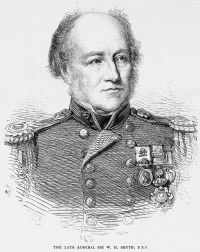
Portrait of W. H. Smyth W. H. Smyth,  The Sailor's Word-Book

“ They are called belaying cleat, deck-cleat, and a thumb-cleat. Also, small wedges of wood fastened on the yards, to keep ropes or the earing of the sail from slipping off the yard. Mostly made of elm or oak.
CLEAVAGE. The splitting of any body having a structure or line of cleavage: as fir cleaves longitudinally, slates horizontally, stones roughly, smoothly, conchoidal, or stratified, &c.
CLEFTS. Wood sawn lengthways into pieces less in thickness than in breadth. (See Plank.)
CLENCH, To. To secure the end of a bolt by burring the point with a hammer.
”
Source: Gutenberg

Edwin W. Foster,  Carpentry and Woodwork

“ The time spent in digging the holes and [403] tamping the dirt around posts is well spent, as the pull on them is severe, and they must stand upright.
Six inches from the top, bore a hole 3⁄4 inch in diameter, east and west. The net must be three feet high at its centre, and three feet six inches at the posts. Pass the rope through these holes, and make fast to a cleat. These cleats may be of iron or wood, a sketch of a wooden cleat being shown at Fig. 215. They should be of oak or other hard wood, put on with two strong screws through holes which have been bored and countersunk.
”
Source: Gutenberg

Get perspective with Kwize: daily news enlightened by great literature