Cocoa nut tree

Definition and stakes

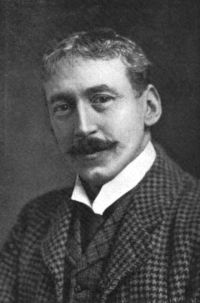
A. M. Brooks,  Petals Plucked from Sunny Climes

“ Here we find the sugar-apple, alligator-pear, sapodilla-guava, limes, lemons, tamarinds, bananas, and plantain—the cocoa-nut tree, with her tessellated leaves, fanned by the breath of eternal spring-time, and ripening its refreshing fruits to nourish the thirsty residents, who would languish were they not supplied with the juices from fruits. The cocoa sheds its fruit when ripe, endangering the heads of those passing. Parents having children who play under the trees are constantly uneasy, as a full-grown cocoa-nut, falling forty feet, would nearly annihilate a child. ”
Source: Gutenberg

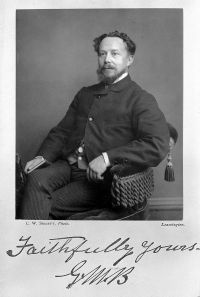
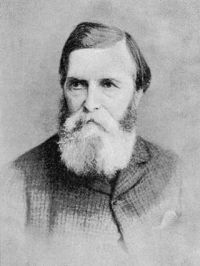
Portrait of Sir Samuel White Baker Sir Samuel White Baker,  Eight Years' Wanderings in Ceylon

“ The cocoa-nut tree requires a sandy and well-drained soil; and although it flourishes where no other tree will grow, it welcomes a soil of a richer quality and produces fruit in proportion. Eighty nuts per annum are about the average income from a healthy tree in full bearing, but this, of course, depends much upon the locality. This palm delights in the sea-breeze, and never attains the same perfection inland that it does in the vicinity of the coast. There are several varieties, and that which is considered superior is the yellow species, called the "king cocoanut." ”
Source: Gutenberg

Mrs. Lanaghan,  Antigua and the Antiguans, Volume 2…

“ Cocoa-nut Tree, cocos nucifera, belongs to the order monœcia hexandria. Male calyx is trifid, the corolla three-petalled, with five stamens; the female calyx is quinquefid, the corolla divided into three segments, and furnished with three stamens. The cocoa-nut tree is supposed to have been brought from the Maldives to the West Indies. It loves a sandy soil, and sometimes attains the height of eighty feet. ”
Source: Gutenberg

Get perspective with Kwize: daily news enlightened by great literature