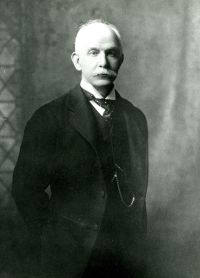
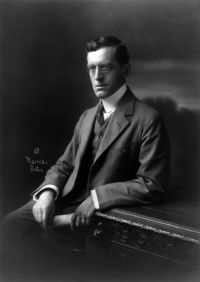
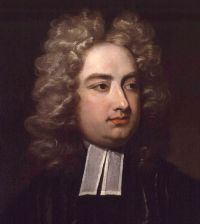
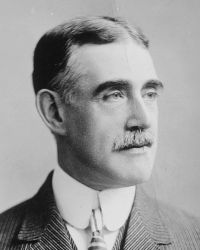
A conflict of interest arises when an individual or organization encounters competing priorities that may undermine their neutrality or responsibilities. This idea, examined by scholars such as Laurie Magnus, who viewed such conflicts as stemming from "generous emulation," and L. T. Hobhouse, who advocated for a "natural harmony of interests" in well-ordered circumstances, highlights the strains between personal and professional duties.
Alexander Hamilton emphasized the dangers to the "general interest" posed by local disputes, while John Stuart Mill criticized the improper use of self-interest in governance. These viewpoints illustrate how conflicts of interest, though inevitable in multifaceted roles, require organized ethical guidelines to uphold integrity and public confidence.