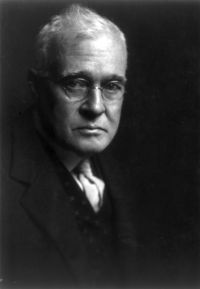
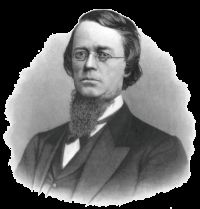
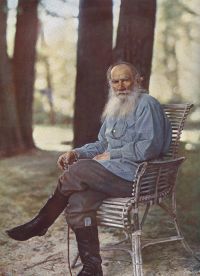
The contemplative life, grounded in Christian mysticism and Aristotelian thought, represents a spiritual journey focused on union with the divine through prayer and self-examination, standing in contrast to the active life's involvement with the material world. Thomas Aquinas portrays it as a quest for intellectual truth, whereas William Inge characterizes it as moving beyond rational understanding to unite with divine illumination.
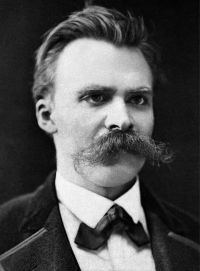
Josiah Royce highlights its function in cultivating a sense of wonder about existence, and Nietzsche critically assesses its separation from the challenges of earthly life. This theme intertwines religious devotion with philosophical exploration, exposing the conflict between spiritual elevation and human fallibility.