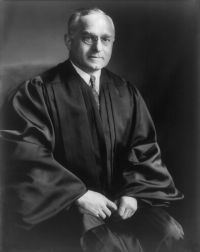
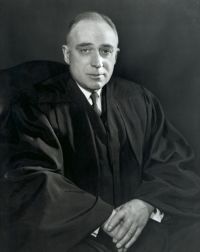
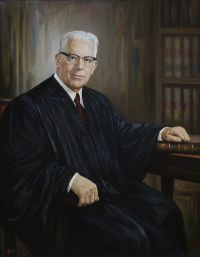
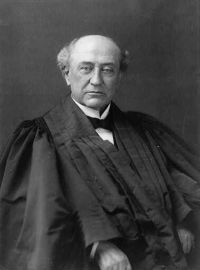
The court of appeals functions as a vital intermediary within the judicial hierarchy, examining decisions from lower courts to maintain legal uniformity and accuracy. Legal scholars and jurists, including Oliver Wendell Holmes, Jr., Owen J. Roberts, and Byron White, have analyzed its procedural authority, highlighting its capacity to reevaluate mistakes, regulate jurisdictional constraints, and balance appellate scrutiny with the specialized knowledge of trial courts.
These viewpoints emphasize the court’s role in refining legal principles while acknowledging the limits of judicial expertise. The theme illustrates a complex interaction between appellate supervision and the practical challenges of legal adjudication.