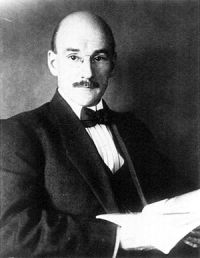
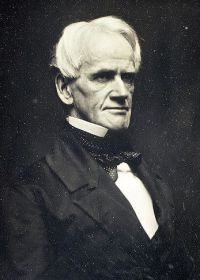
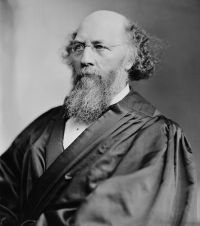
A criminal charge represents a formal accusation brought by a governmental authority, marking the beginning of legal action against someone suspected of committing an offense. This concept, fundamental to legal systems across the globe, has been analyzed from various perspectives by legal scholars and judges. David Josiah Brewer pointed out that a criminal charge only emerges within the framework of legal proceedings, while Horace Gray highlighted the importance of formal charges presented through indictment or complaint.
Henry Herbert Goddard examined the burden of proof, emphasizing the jury’s responsibility to evaluate the defendant's mental state in criminal trials, and Melville Davisson Post criticized the deliberate way charges are framed to enhance the likelihood of severe punishment. These viewpoints illustrate the complex relationship between procedural fairness, personal rights, and the ethical aspects of criminal responsibility, underscoring the concept’s lasting relevance in legal theory.
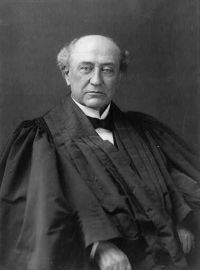 David Josiah Brewer,
United States v. Patterson (150 U.S. 65…