Diathesis

Definition and stakes

James Rush Black,  Popular Science Monthly (1879)

“ Not so much by plain evidences to the senses as by mental analysis can the reality of a struggle between a diathesis and reversion to the normal type be apprehended. Yet it is only the vis medicatrix naturæ of medical writers carried from the very obvious in acute disease to the less perceptible in chronic, and to the imperceptible in the diathetic. Although the opinion is very generally entertained that those who inherit a diathesis should be careful as to their mode of life, what effect there is on practice is commonly more injurious than beneficial. ”
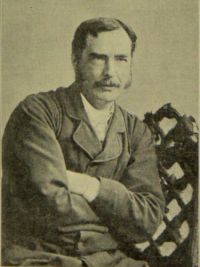
Source: Wikisource

James Rush Black,  Popular Science Monthly (1879)

“ Then the observance of the true conditions which favor reversion in an inherited diathesis require no little judgment, self-denial, patience, and intelligence. In acute disease the physician and nurse see that the conditions of reversion are duly observed. Reputation, love, and alarm are all brought to bear for their enforcement. In a diathesis none of these are evoked until the development of all its signs renders the fact apparent that the fatal work has reached its culminating stage. The diathetic subject while in good health is himself indifferent and incredulous as to his danger. ”
Source: Wikisource

James Rush Black,  Popular Science Monthly (1879)

“ Indeed, there is scarcely any room for doubt that, if our senses were far more acute, a diathesis or tendency to some special disease would be disclosed in definite signs of imperfection, or of disorder. A diathesis is often seen gradually merging into development, and development into a diathesis, and the frequency with which this is seen to recur in the same person gives tone to the conclusion that the letter state is only a very mild or occult phase of the former. ”
Source: Wikisource

Get perspective with Kwize: daily news enlightened by great literature