Dogmatic theology

Definition and stakes

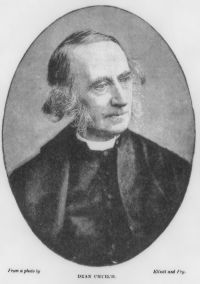
Portrait of William Ralph Inge William Ralph Inge,  Outspoken Essays

“ The idea that the Church would ever modify her teaching to bring it into harmony with modern science seemed utterly chimerical. But if the static theory of revelation is abandoned, and a dynamic theory substituted for it; if the divine part of Christianity resides, not in the theoretical formulations of revealed fact, but in the living and energising spirit of the Church; why should not dogmatic theology become elastic, changing periodically in correspondence with the development of human knowledge, and no longer stand in irreconcilable contradiction with the ascertained laws of nature? ”
Source: Gutenberg

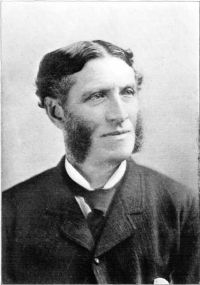
Portrait of Matthew Arnold Matthew Arnold,  Literature and Dogma (1883)

“ For dogmatic theology is, in fact, an attempt at both literary and scientific criticism of the highest order; and the age which developed dogma had neither the resources nor the faculty for such a criticism. It is idle to talk of the theological instinct, the analogy of faith, as if by the mere occupation with a limited subject-matter one could reach the truth about it. ”
Source: Wikisource

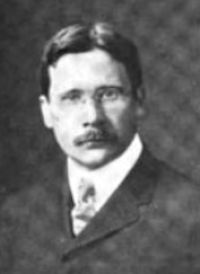
William James,  The Varieties of Religious Experience (1902)

“ I glance first at the arguments by which dogmatic theology establishes God's existence, after that at those by which it establishes his nature. [6]
The arguments for God's existence have stood for hundreds of years with the waves of unbelieving criticism breaking against them, never totally discrediting them in the ears of the faithful, but on the whole slowly and surely washing out the mortar from between their joints. If you have a God already whom you believe in, these arguments confirm you. If you are atheistic, they fail to set you right.
”
Source: Wikisource

Get perspective with Kwize: daily news enlightened by great literature