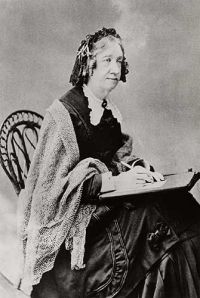
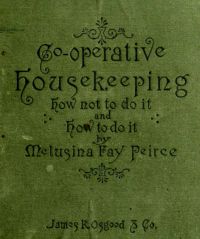
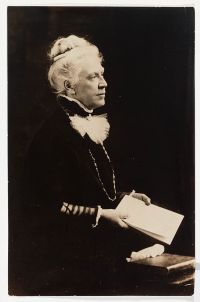
Domestic work, as a literary theme, examines the labor, dignity, and societal function of household tasks, often contrasting them with industrial or professional endeavors. Authors like Harriet Beecher Stowe and Catharine Esther Beecher viewed it as a moral and educational responsibility, highlighting its capacity to uplift both workers and families.
Emily Blackwell emphasized its personalized aspect, while Anthony M. Ludovici differentiated it from factory labor, stressing its personal importance. These viewpoints, from 19th- to early 20th-century writers, expose tensions between domestic labor’s inherent worth and its exclusion from larger economic and social discourses.
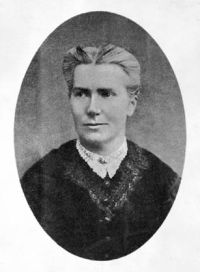 Emily Blackwell,
Popular Science Monthly
(1883)
Emily Blackwell,
Popular Science Monthly
(1883)