Summary

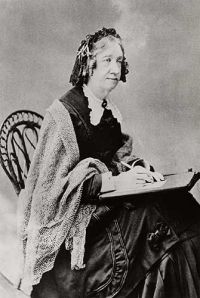
Portrait of Catharine Esther Beecher Catharine Esther Beecher Letters to Persons Who Are Engaged in Domestic Service

Now if you ever have a family yourself, and have persons to help you, would you not think it right and proper that they should do your work as you wished it done?—and would you not feel that it was proper that your children should treat you with respect, and that your domestics should set them a proper example in this particular? No doubt you would, and therefore do unto your employers as you would that others should do unto you, if your circumstances are changed and you become employer instead of domestic.
Source: Gutenberg

Portrait of Catharine Esther Beecher Catharine Esther Beecher Letters to Persons Who Are Engaged in Domestic Service

If, then, I can show that domestics have great power to do good given them, and that they really use this power in doing good, I shall prove that the station of a domestic is an honourable and respectable one. And if I can show that domestics have more power, and actually do more good, than many who think themselves above them, I shall prove, too, that they have the more honourable and respectable station. I will therefore point out the power of doing good which is given to domestics.
Source: Gutenberg

Portrait of Catharine Esther Beecher Catharine Esther Beecher Letters to Persons Who Are Engaged in Domestic Service

It is the duty of all persons, in every station of life, to practise that economy, which saves from waste, all the bounties of Providence, and which contrives to make every thing useful last as long as possible. The rich have a right to buy more expensive, and more numerous articles, than the poor, but they have no right to waste any thing; for what they do not use themselves they should save for the comfort and enjoyment of others.
Source: Gutenberg

Get perspective with Kwize: daily news enlightened by great literature