Dress rehearsal

Definition and stakes

Edward Fordham Spence Our Stage and Its Critics

Is it extravagant to hope that some day a dress rehearsal will be a rehearsal of dresses at which some person of taste—everyone would accept Mr Wilhelm—will see all the frocks actually worn by the actresses upon the stage under the ordinary lighting conditions, against the scenery intended to be employed and then point out what is necessary to produce a real harmony of colour and also to take full advantage of, and in some cases enhance, the beauty of face and form possessed by the ladies who are to appear in the play?
Source: Gutenberg

F. Marion Crawford Fair Margaret: A Portrait

It was still afternoon when the dress rehearsal began, but the night would have come when it ended. There is always a pleasant latitude about dress rehearsals, even when the piece is old and there is no new stage machinery to be tried. While the play or the opera is actually going on, everything works quickly as in a real performance, but between the acts, or even between one scene and another, there is a tendency on the part of the actors and the invited public to treat the whole affair as a party of pleasure.
Source: Gutenberg

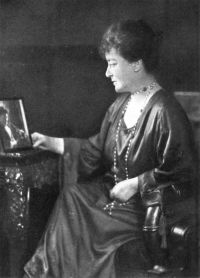
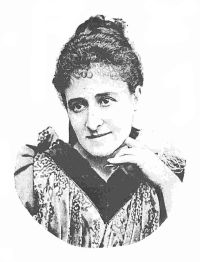
Portrait of Mrs. Alec-Tweedie Mrs. Alec-Tweedie Behind the Footlights

At some theatres a dress rehearsal is a great affair. The term properly speaking means the whole performance given privately right through, without even a repeated scene. The final dress rehearsal, as a rule, is played before a small critical audience, and the piece is expected to run as smoothly as on the first night itself—to be, in fact, a sort of prologue to the first night. This is a dress rehearsal proper, such as is given by Sir Henry Irving, Messrs. Beerbohm Tree, Cyril Maude, George Alexander, or the old Savoy Company.
Source: Gutenberg

Get perspective with Kwize: daily news enlightened by great literature