Ecclesiastical government

Definition and stakes

The Divine Right of Church Government

“ If spiritual and ecclesiastical power be in the church or community of the faithful, the church doth not only call, but make officers out of virtue and power received into herself, and then should the church have a true lordlike power in regard of her ministers. For, as he that will derive authority to the church, maketh himself lord of the church, so, if the church derive authority to the ministers of Christ, she maketh herself lady or mistress over them, in the exercise of that lordlike authority; for, as all men know, it is the property of the lord and master to impart authority. ”
Source: Gutenberg

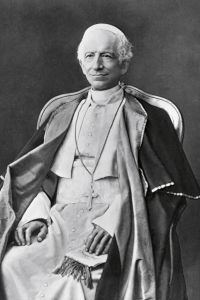
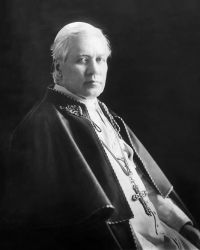
Portrait of Pope Pius X Pope Pius X,  Pascendi

“ Its spirit with the public conscience, which is not wholly for democracy; a share in ecclesiastical government should therefore be given to the lower ranks of the clergy, and even to the laity, and authority should be decentralised. The Roman Congregations, and especially the index and the Holy Office, are to be reformed. The ecclesiastical authority must change its line of conduct in the social and political world; while keeping outside political and social organization, it must adapt itself to those which exist in order to penetrate them with its spirit. ”
Source: Wikisource

The Divine Right of Church Government

“ Ecclesiastical power consists of the keys of the kingdom of heaven, which are exercised in the preaching of the word, dispensing the sacraments, executing the censures, admonition, excommunication, absolution, ordination of presbyters, &c.; but magistratical power consists in the secular sword, which puts forth itself in making statutes, inflicting fines, imprisonments, confiscations, banishments, torments, death. ”
Source: Gutenberg

Get perspective with Kwize: daily news enlightened by great literature