Eminent domain

Definition and stakes

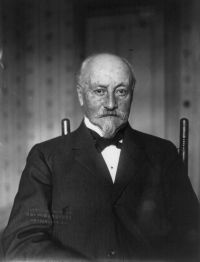
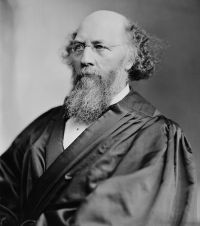
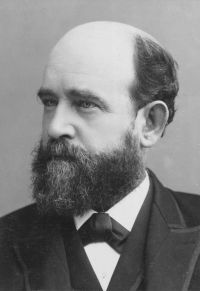
Portrait of John Clark Ridpath John Clark Ridpath,  The Life and Work of James A. Garfield…

“ But when the State has delegated to a corporation the sovereign right of eminent domain, the right to take from the private citizen, without his consent, a portion of his real estate, to build its structure across farm, garden, and lawn, into and through, over or under, the blocks, squares, streets, churches, and dwellings of incorporated cities and towns, across navigable rivers, and over and along public highways, it requires a stretch of the common imagination and much refinement and subtlety of the law to maintain the old fiction that such an organization is not a public corporation. ”
Source: Gutenberg

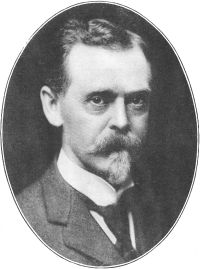
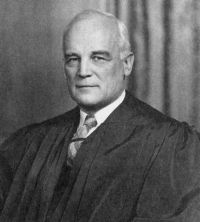
D. C. Cloud,  Monopolies and the People

“ The right of eminent domain is possessed by the supreme power of the nation. It belongs to all governments. Of right it is not inherent in, nor can it be acquired by, any private person or corporation. If the right is ever exercised by any corporation, company, or individual, it must be by the permission of the governing power; in this country by legislative grant. If it belonged to corporations they could exercise it without the consent of the legislature. ”
Source: Gutenberg

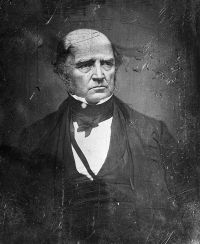
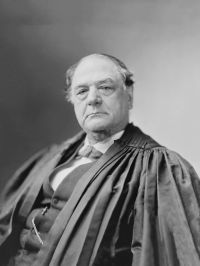
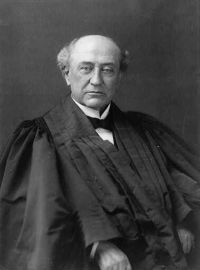
Peter Vivian Daniel,  West River Bridge Company v. Dix…

“ If the provision of the Constitution, which forbids the impairing of contracts, does not extend to the contracts of the State governments, and they are left subject to be destroyed by the eminent domain, then there is an end of public faith. It is said, by every writer, and by almost every court which has passed on this subject, the eminent domain, that it must rest with 'the legislative power to determine when public uses require the assumption of private property,' and to regulate the mode of compensation. ”
Source: Wikisource

Get perspective with Kwize: daily news enlightened by great literature