Equity court

Definition and stakes

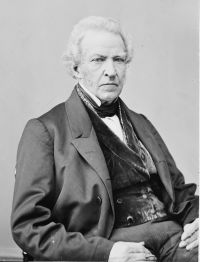
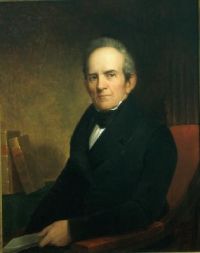
Portrait of Smith Thompson Smith Thompson,  Livingston v. Story — Opinion of the Court

“ That the practice of the state courts is not adapted, at present, to suits in equity, has not, it is believed, been shown, nor can it be. It must be useless to point out all, or indeed, any of the differences which exist between the two modes of procedure; the statement of a general principle will be sufficient to show it, and that is, that the remedies in equity result from the principles of equity, and that they must be sought, obtained and used in conformity to those principles. ”

Source: Wikisource

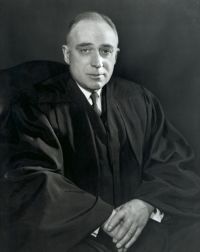
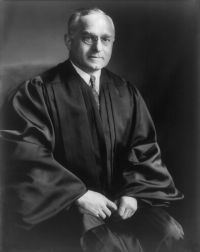
Oliver Wendell Holmes, Jr.,  Giles v. Harris a B — Opinion of the Court

“ It will be observed, in the first place, that the language of § 1979 does not extend the sphere of equitable jurisdiction in respect of what shall be held an appropriate subject-matter for that kind of relief. The words are, 'shall be liable to the party injured in an action at law, suit in equity, or other proper proceeding for redress.' They allow a suit in equity only when that is the proper proceeding for redress, and they refer to existing standards to determine what is a proper proceeding. The traditional limits of proceedings in equity have not embraced a remedy for political wrongs. ”
Source: Wikisource

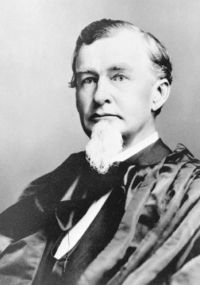
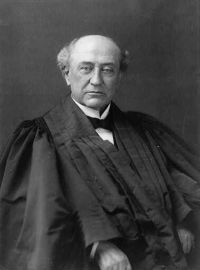
John McLean,  Carroll v. Safford — Opinion of the Court

“ The most important source of jurisdiction of an equity court is that which is concurrent with courts of law. Rights in each court are the same, but a party is at liberty to ask the aid of a court of equity to protect him in his legal rights on account of the better remedy which results from the modes of administering relief in equity; and equity will interfere in all cases where the remedy at law is not plain, adequate, and complete. ”
Source: Wikisource

Get perspective with Kwize: daily news enlightened by great literature