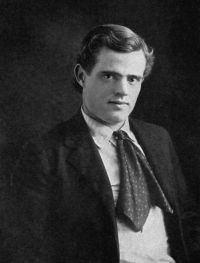
Forgetting, the process of losing access to previously acquired knowledge or memories, has been a recurring theme in literature, highlighting its dual nature as both a comfort and a burden. Emily Dickinson playfully explores its limits, while Jean-Jacques Rousseau views it as a divine solace against despair. Sigmund Freud connects it to unconscious sources of displeasure, and Jack London links it to mental clarity.
Henry David Thoreau contrasts forgetting with the lingering burden of unwanted memories, and William James emphasizes its practical importance alongside remembering. These diverse viewpoints illustrate forgetting as a complex interplay of psychological, existential, and emotional forces, revealing its essential role in the human experience.
 Emily Dickinson,
If recollecting were forgetting…
Emily Dickinson,
If recollecting were forgetting…