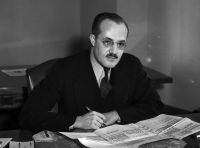
The concept of a "free man" embodies independence, self-determination, and release from outside control. Philosophers and writers have long examined this idea, highlighting freedom as both a personal and societal ideal. Bertrand Russell framed it as a devotion to "eternal things," while Willard Huntington Wright portrayed the free man as a "warrior" surpassing complacency.
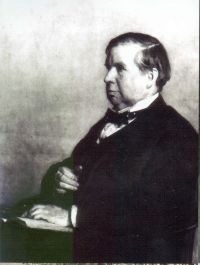
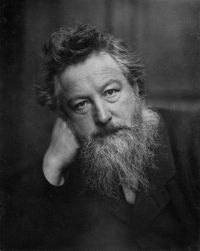
William Morris contrasted the free man’s self-ownership with institutional limitations, and Charles Whibley emphasized liberty as a private virtue. These viewpoints together highlight freedom as a dynamic interaction between personal initiative and structural fairness, reflecting lasting tensions between independence and shared responsibility.