Grain of wheat

Definition and stakes

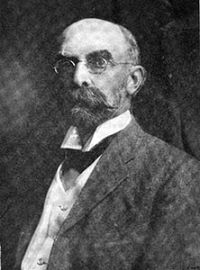
Portrait of William Jennings Bryan William Jennings Bryan In His Image

If one of those grains had been planted on the banks of the Nile the year after it grew, and all its lineal descendants had been planted and replanted from that time until now, its progeny would to-day be sufficiently numerous to feed the teeming millions of the world. An unbroken chain of life connects the earliest grains of wheat with the grains that we sow and reap. There is in the grain of wheat an invisible something which has power to discard the body that we see, and from earth and air fashion a new body so much like the old one that we cannot tell the one from the other.
Source: Gutenberg

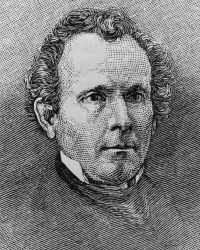
Sir Charles Alexander Cameron The Stock-Feeder's Manual

Wheat Grain is the most valuable of seeds, as it contains, in admirably adjusted proportions, the bone, the fat, and the muscle-forming principles. In the form of bread, it has been, not inaptly, termed the "staff of life," for no other grain is so well adapted, per se, for the sustenance of man; and many millions of human beings subsist almost exclusively on it. The lower animals are in general fed upon the grain of oats, of barley, and of the leguminous plants, and the use of wheat is almost completely restricted to the human family.
Source: Gutenberg

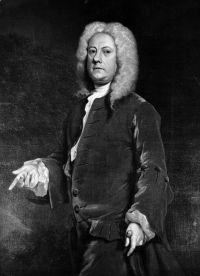
Portrait of Henry Ward Beecher Henry Ward Beecher Pleasant Talk About Fruits, Flowers and Farming

A standard wheat should be hardy, strong in the straw; not easy to shell and waste, prolific, thin in the bran, white in flour, and the flour rich in starch and gluten. The earliness or lateness of a variety affects its liability to disease.
Much may be done by every farmer to secure a variety suited to his soil from his own fields. Let a watchful eye observe every remarkable head of wheat—a very early one, a very long head, any which have an unusual sized grain, or is distinguished for any excellent property.
Source: Gutenberg

Get perspective with Kwize: daily news enlightened by great literature