Guinea fowl

Definition and stakes

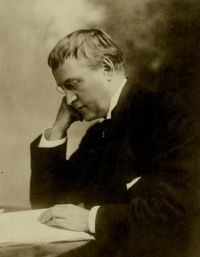
Carton Moore-Park A Book of Birds

The Guinea Fowl has been so long among us that we no longer look upon him as a stranger. He was brought a long time ago from Africa, where his relations may still be found, assembling in huge flocks in damp, marshy places that furnish a good supply of worms and insects. Whether he be tame or wild, the most remarkable thing about the Guinea Fowl is his voice. When he is frightened or angry he gives forth a screech like an old barn-door creaking on rusty hinges, and he does not leave off until he and everybody else are quite tired.
Source: Gutenberg

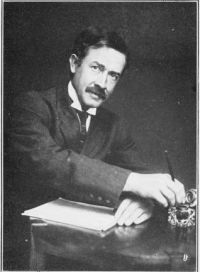
Portrait of Thomas Hughes Thomas Hughes Tom Brown at Rugby

So he and his shepherds crouched behind the hurdles, and watched the party who were approaching all unconscious.
Why should that old guinea-fowl be lying out in the hedge just at this particular moment of all the year? Who can say? Guinea-fowls always are—so are all other things, animals, and persons—requisite for getting one into scrapes, always ready when any mischief can come of them. At any rate, just under East's nose popped out the old guinea-hen, scuttling along and shrieking: "Come back, come back," at the top of her voice.
Source: Gutenberg

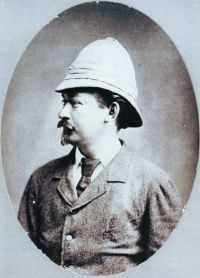
Alfred Newton 1911 Encyclopædia Britannica, Volume 12… (1911)

The ordinary guinea fowl of the poultry-yard (see also Poultry and Poultry-Farming) is the Numida meleagris of ornithologists. The chief or only changes which domestication seems to have induced in its appearance are a tendency to albinism generally shown in the plumage of its lower parts, and frequently, though not always, the conversion of the colour of its legs and feet from dark greyish-brown to bright orange. That the home of this species is West Africa from the Gambia [2] to the Gaboon is certain, but its range in the interior is quite unknown.
Source: Wikisource

Get perspective with Kwize: daily news enlightened by great literature