Hand (card game)

Definition and stakes

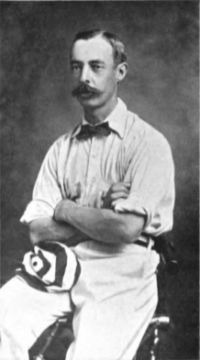
Portrait of John Nevil Maskelyne John Nevil Maskelyne,  Sharps and Flats

“ In a round game, when it is your turn to deal, you may read the cards as you deal them; and in this way know the hands of your opponents, or at any rate the principal cards. In a single-handed game you can remember the whole of your antagonist's cards, but with more than two players it is not advisable to attempt to commit to memory more than one hand. That, preferably, should be the hand of the 'flattest man,' the 'greatest mug,' the man who is playing highest, or your most dangerous opponent. With a little practice the top card of the pack can be read, just before it is dealt. ”

Source: Gutenberg

Various,  Cassell's Book of In-door Amusements…

“ Should it so happen that the eldest hand, after examining his cards, expresses himself satisfied with them, the next player may, if so inclined, put down his own cards on the table, and take up the widow instead. When he has done so, the other players in turn may select any card they please from the discarded hand in exchange for one of their own, until some one declares himself satisfied by knocking on the table. Even after this, however, the rest of the players are allowed one more chance of drawing before showing the hands.
The strongest hand wins the game.
”
Source: Gutenberg

Robert Kemp Philp,  Enquire Within Upon Everything

“ Attend to the game, and play as though your hand consisted of twenty-six instead of thirteen cards. In the second round of a suit, win the trick when you can, and lead out for your partner's high cards as soon as possible. Touch only the card you intend to play. Retain a high trump as long as you can, to bring back your strong suit. With a weak hand, always try to secure the seventh or odd trick to save the game. Attend to the score, and play as if the whole fortune of the game depended on yourself. ”
Source: Gutenberg

Get perspective with Kwize: daily news enlightened by great literature