Handyman

Definition and stakes

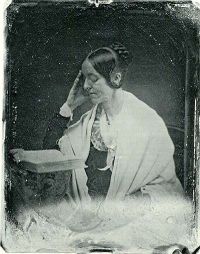
Portrait of Sarah Margaret Fuller Sarah Margaret Fuller,  Papers on Literature and Art (1846)

“ The life of Haydn is the better of the two, for the calm and equable character of this great man made not much demand on insight. It displays throughout the natural decorum and freedom from servile and conventional restraints, the mingling of dignity and tenderness, the singleness of aim, and childlike simplicity in action proper to the artist life. It flowed a gentle, bounteous river, broadening ever beneath the smiles of a “calm pouring sun.” A manly uniformity makes his life intelligible alike to the genius and the citizen. ”
Source: Wikisource

John F. Runciman,  Haydn

“ The next Prince, another Anton, dismissed the band and singers, but to the annuity of 1,000 florins which Nicolaus had left Haydn he added 400 florins.
The story of these thirty years is soon told. What a fantastic mode of life it seems, how farcical, grotesque, in its dull routine, for a genius who was at work steadily building up new art-forms. Haydn, we are told, rose every morning at six, carefully shaved and dressed, drank a cup of black coffee, and worked till noon.
”
Source: Gutenberg

Ludwig Nohl,  Life of Haydn

“ This relative, who was the schoolmaster and choir-leader in the neighboring town of Hainburg, took the lad, who was intended for the priesthood, to that place, that he might study the art which it was thought would undoubtedly open a way to the accomplishment of this purpose. After this, Haydn only returned home as a visitor, but that he remembered it and his poor relatives all his life with esteem and affection, is evidenced by this remark in his old age: “I live not so much for myself as for my poor relatives [10] to whom I would leave something after my death.” ”
Source: Gutenberg

Get perspective with Kwize: daily news enlightened by great literature