Herbivory

Definition and stakes

Various,  Popular Science Monthly (1886)

“ They present the results of studies of those points in the form, structure, color, and economy of flowers, fruits, and leaves which appear adapted to secure the sound life of the plant and the perpetuation of its species. In flowers, the most conspicuous feature is the adaptation to attract insects and secure cross-fertilization by their agency; whereby the insects, in turn, by fertilizing the largest and most brilliant flowers, have contributed unconsciously, but effectually, to the beauty of our woods and fields. ”
Source: Wikisource

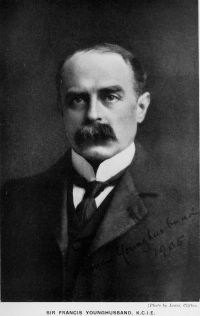
Portrait of Sir Francis Edward Younghusband Sir Francis Edward Younghusband,  The Heart of Nature; or, The Quest for Natural Beauty

“ All plants depend upon the natural elements—the soil, water, air, and light. Animals depend on plants. And many animals depend upon other animals. A forest tree in its maturity is covered with blossoms, some conspicuous, others inconspicuous to sight, but very conspicuous to smell. These blossoms, either by sight or scent, attract butterflies, bees, moths, and other insects to sip their nectar, and in so doing carry away the pollen of the flowers, and unwittingly pass it on to another flower and fertilise it. The insect thus enables the tree to procreate its species. ”
Source: Gutenberg

Get perspective with Kwize: daily news enlightened by great literature