Image (visual)

Definition and stakes

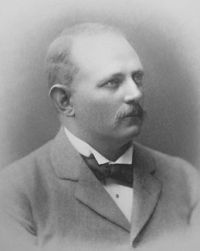
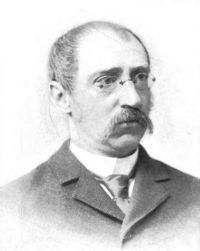
Portrait of Francis Galton Francis Galton,  Inquiries into Human Faculty and Its Development

“ There can, however, be no doubt as to the utility of the visualising faculty when it is duly subordinated to the higher intellectual operations. A visual image is the most perfect form of mental representation wherever the shape, position, and relations of objects in space are concerned. It is of importance in every handicraft and profession where design is required. The best workmen are those who visualise the whole of what they propose to do, before they take a tool in their hands. ”
Source: Gutenberg

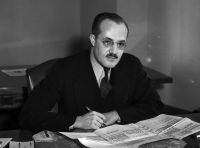
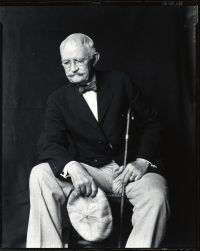
Portrait of Edwin George Lutz Edwin George Lutz,  Animated cartoons (1920)

“ The art of the motion-picture began when physicists first noticed this peculiarity of the organ of sight in retaining after-images. The whole art is based on its verity. It is the special quality of the visual sense that makes possible the appreciation of living screen pictures.
An interesting matter to bear in mind is the circumstance that the first attempt at giving to a screen image the effect of life was by means of a progressive series of drawings.
”
Source: Gutenberg

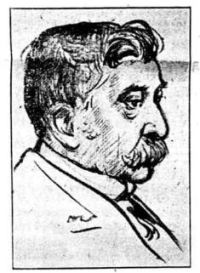
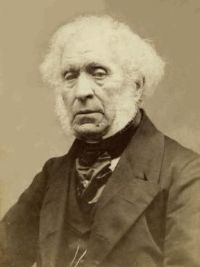
Portrait of I. A. Richards I. A. Richards,  Principles of literary criticism (1928)

“ With such an analysis, comparison and the elaboration of analogies involve no attempt to make one art legislate for another, no attempt to blur their differences or to destroy their autonomy.
In analysing the experiences of the visual arts the first essential is to avoid the word ‘see’, a term which is treacherous in its ambiguity. If we say that we see a picture we may mean either that we see the pigment-covered surface, or that we see the image on the retina cast by this surface, or that we see certain planes or volumes in what is called the ‘picture-space’.
”
Source: Gutenberg

Get perspective with Kwize: daily news enlightened by great literature