Inhibition (psychology)

Definition and stakes

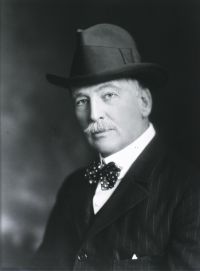
William James,  Psychology: Briefer Course

“ The Obstructed Will.—In striking contrast with the cases in which inhibition is insufficient or impulsion in excess are those in which impulsion is insufficient or inhibition in excess. We all know the condition described on p. 218, in which the mind for a few moments seems to lose its focussing power and to be unable to rally its attention to any determinate thing. At such times we sit blankly staring and do nothing. The objects of consciousness fail to touch the quick or break the skin. ”
Source: Gutenberg

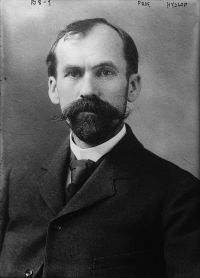
Portrait of James H. Hyslop James H. Hyslop,  The Philosophical Review (1892)

“ But inhibition comes in with varying degrees of power to prevent habit from assuming absolute control of the subject, with many exceptions familiar to the student of psychology. It interrupts the tendency to direct and immediate transition from sensation or emotion into volition and offers opportunity for reflection. This is the only way in which a man can escape being the victim of any present state of mind, and in which he gains power to guide himself by the future rather than by the present moment. ”
Source: Wikisource

Get perspective with Kwize: daily news enlightened by great literature