The international community refers to a collective of nations and peoples connected by shared values and geopolitical relationships, frequently used to justify global actions or agreements. While advocates such as the Bahá'í International Community see it as a unifying force for peace and collaboration through organizations like the United Nations, critics like Noam Chomsky and Peter Burnell point out its inclination to mirror the interests of dominant states rather than embody a genuinely universal body.
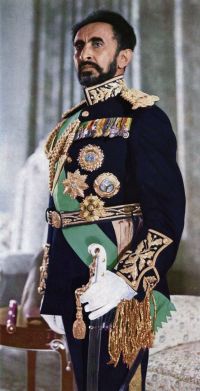
Scholars from various backgrounds, including William Graham Sumner and Haile Selassie, have emphasized both its lofty ideals and the difficulties of reconciling differing national priorities, demonstrating a concept that is both idealized and subject to debate in practice.