Iron (lock)

Definition and stakes

F. Barham Zincke,  A month in Switzerland (1873)

“ It is always of iron, for iron is cheaper than brass; and always of the same form and size: they must all have been made at the same factory. And this unfailing black iron lock, always of the same size, is always attached to the surface of the door instead of being let into it. ”
Source: Gutenberg

Elizabeth Ida Samuel,  The story of iron (1914)

“ You see that a man who works in iron must be both an artist and a smith—he must blow the forge and use the hammer. That gate in cast iron would be almost ugly. In the Swedish wrought iron, it is truly beautiful.
“The old fellows knew much more about the artistic side of iron than we do. Look at the old French locks—even a French king prided himself on his ability to make locks.
“There was a time when an apprentice to a locksmith had to make a masterpiece lock before he could become a master. It usually took him two years to do it, for he had to chase and chisel it from the solid.
”
Source: Gutenberg

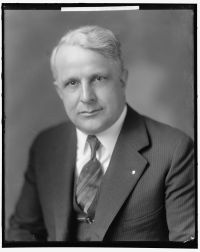
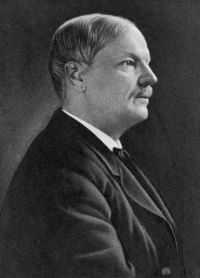
Portrait of Frederic Brewster Loomis Frederic Brewster Loomis,  Field Book of Common Rocks and Minerals

“ Pure iron is a chemical curiosity which looks very much like silver. As obtained from its ores, or as it occurs in Nature, iron always has some impurities with it, such as carbon, silicon, sulphur and phosphorus, and these are highest in the crudest iron such as “pig-iron.” Its malleability and ductility are only a little less than for gold and silver, and so it has a wide range of qualities for use by man. It is only rarely found native in minute grains in some of the dark lavas. ”
Source: Gutenberg

Get perspective with Kwize: daily news enlightened by great literature