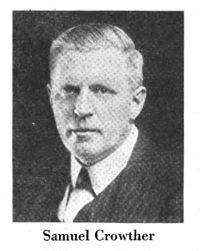
Vanadium, a chemical element with symbol V and atomic number 23, is a hard, silvery-grey, malleable transition metal rarely found in nature. Discovered in 1801 by Andrés Manuel del Río, who initially named it panchromium for its colorful compounds, its recognition was later overshadowed by misattribution to chromium. Rediscovered by Nils Gabriel Sefström in 1830, it was named vanadium after the Norse goddess Vanadís, reflecting its vivid chemical variety. Authors such as Leonard James Spencer detailed its presence in ores like vanadinite, while T.
E. Thorpe and Henry Leverage examined its industrial uses, including catalysis and alloy production. Dmitry Mendeleyev noted its oxychloride similarities to phosphorus compounds, and Josef Bersch described its application in pigment synthesis. The element’s distinctive oxidation states and passivation characteristics have influenced its role in steel alloys, energy storage, and enzymatic processes, illustrating a journey from a rare mineral to an essential industrial material.