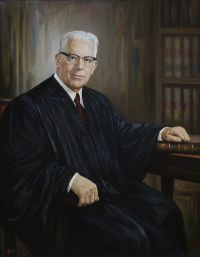
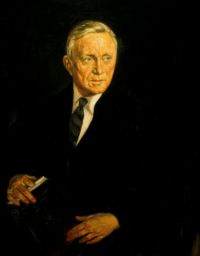
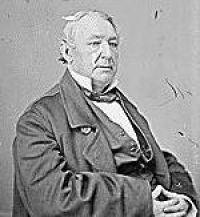
Law enforcement refers to the organized activity of government or institutional bodies responsible for maintaining laws through investigation, deterrence, and sanctions, including police, courts, and corrections. This theme examines how authors and institutions have analyzed its functions and challenges, from President William Jefferson Clinton emphasizing law enforcement’s role in “protecting the people who abide by the law” to Earl Warren’s dissent recognizing the need for judgment in modern policing.
The United Nations highlights the ethical duty of law enforcers to “protect all persons against unlawful acts,” while Justice Tom C. Clark underscores the essential role of police in ensuring public safety. These viewpoints, grounded in historical development and current practice, portray law enforcement as both a cornerstone of order and a topic of continuous discussion regarding accountability and effectiveness.