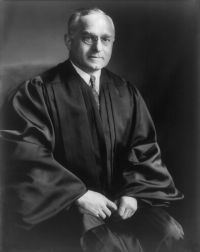
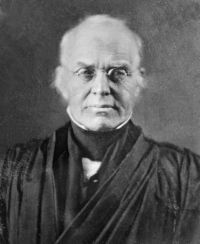
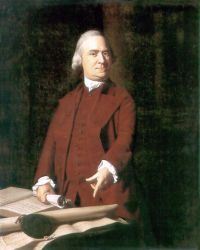
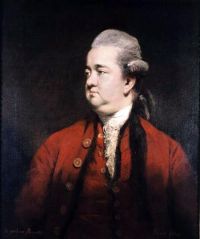
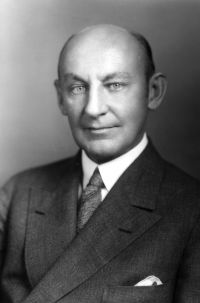
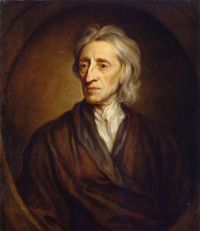
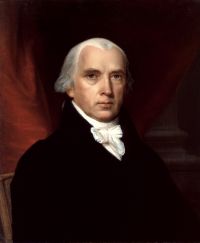
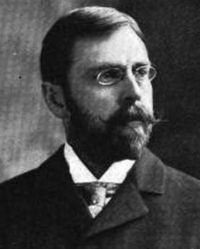
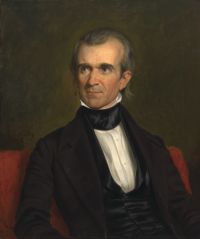
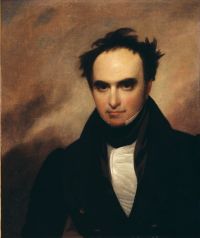
Legislative power denotes the authority to create, modify, or repeal laws, serving as a cornerstone of governance and political theory. From John Locke’s assertion of popular sovereignty to Jean-Jacques Rousseau’s claim that "the legislative power belongs to the people," the concept has been examined through both philosophical and legal perspectives. James Madison and Alexander Hamilton analyzed its constitutional boundaries within the U.S.
framework, highlighting checks and balances, while Joseph Story emphasized its importance for governmental stability. Quotes from legal debates and judicial rulings further illustrate its contested scope, balancing derived authority with sovereign mandate. This theme thus connects theoretical foundations with practical governance, revealing legislative power as both a fundamental right and a limited function.
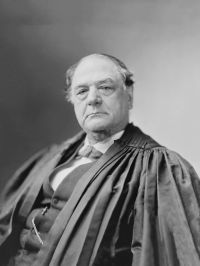 Noah Haynes Swayne,
Newton v. Commissioners — Opinion of the Court
Noah Haynes Swayne,
Newton v. Commissioners — Opinion of the Court