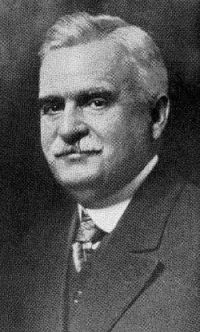
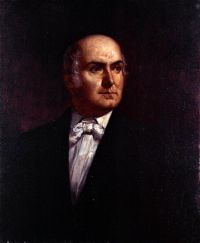
Checks and balances refer to a system designed to prevent the concentration of power within a government by distributing authority among distinct branches. This concept, central to constitutional frameworks, has been examined by legal scholars and political theorists to assess its role in maintaining governance equilibrium. Authors such as James M.
Beck emphasized its function as a "brake upon precipitate action," while Melville Fuller underscored the necessity of co-ordinate departments refraining from encroaching on each other’s autonomy. Meanwhile, Goldwin Smith critiqued its "mechanical" nature, arguing it may impede collective decision-making. These perspectives collectively highlight the tension between structural restraint and adaptive governance, revealing checks and balances as both a safeguard and a potential barrier to political efficiency.
 Johann Gottlieb Fichte,
The Science of Rights — Book Second Concerning the State Constitution
(1889)
Johann Gottlieb Fichte,
The Science of Rights — Book Second Concerning the State Constitution
(1889)