Line of succession

Definition and stakes

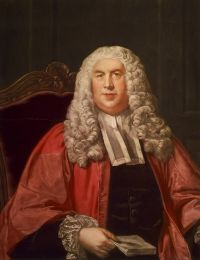
Portrait of Herbert Spencer Herbert Spencer Popular Science Monthly (1881)

In the first place, hereditary succession, when finally settled in some line of descent rigorously prescribed, involves that the possession of supreme power becomes independent of capacity for exercising it. The heir to a vacant throne may be, and often is, too young for discharging its duties; or he may be, and often is, too feeble in intellect, too deficient in energy, or too much occupied with the pleasures which his position offers in unlimited amounts; with the result that in the one case the regent, and in the other the chief minister, becomes the actual ruler.
Source: Wikisource

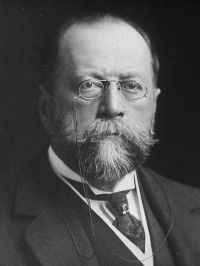
Portrait of Frederic Austin Ogg Frederic Austin Ogg The Governments of Europe

The Rules of Succession.—Executive power in the kingdom is vested solely in the crown, although in practice it devolves to a large degree upon the council of ministers. Kingship is hereditary, and in regulation of the succession the constitution lays down the general principle that an elder line shall always be preferred to younger ones; in the same line, the nearer degree of kinship to the more remote; in the same degree of kinship, the male to the female; in the same sex, the older to the younger person.
Source: Gutenberg

Get perspective with Kwize: daily news enlightened by great literature