Liquorice

Definition and stakes

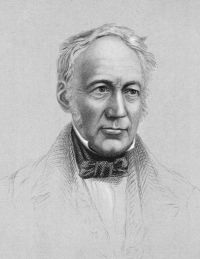
Portrait of Nicholas Culpeper Nicholas Culpeper,  The Complete Herbal

“ The fine powder of Liquorice blown through a quill into the eyes that have a pin and web (as they call it) or [107] rheumatic distillations in them, doth cleanse and help them. The juice of Liquorice is as effectual in all the diseases of the breast and lungs, the reins and bladder, as the decoction. The juice distilled in Rose-water, with some Gum Tragacanth, is a fine licking medicine for hoarseness, wheezing, &c.
LIVERWORT.
There are, according to some botanists, upwards of three hundred different kinds of Liverwort.
”
Source: Gutenberg

Friedrich A. Flückiger,  Pharmacographia (1879)

“ History—Inspissated liquorice juice was known in the time of Dioscorides, and may be traced in the writings of Oribasius and Marcellus Empiricus in the latter half of the 4th century, and in those of Paulus Ægineta in the 7th. It appears to have been in common use in Europe during the middle ages. In a.d. 1264, “Liquorice” is charged in the Wardrobe Accounts of Henry III.; [728] and as the article cost 3d. per lb., or the same price as grains of paradise and one-third that of cinnamon, we are warranted in supposing the extract and not the mere root is intended. ”
Source: Gutenberg

William Bingley,  Useful Knowledge: Vegetables (1825)

“ The stalks of the liquorice-plant are usually four or five feet high. The leaves are winged, and the leaflets egg-shaped, with an odd one at the extremity. The flowers grow in long spikes from the junction of the leaves and branches. The roots are long, round, tough, of brown colour externally, and yellow within.
The principal use of liquorice is in medicine. It contains much saccharine matter, joined with some portion of mucilage; and is one of the few sweet substances which tend to allay thirst. Liquorice is an excellent medicine in coughs and hoarsenesses.
”
Source: Wikisource

Get perspective with Kwize: daily news enlightened by great literature