Lottery ticket

Definition and stakes

Joseph Henry Beale, Jr.,  Tickets (1887)

“ A ticket, like a note, must be presented to the maker when the time comes for the performance of the contract. There seems to be an exception to this rule in case of a lottery ticket. If a lottery ticket secures the right only to the drawing of the lottery the ticket is not then surrendered. That is natural enough, since if anything comes to the holder it comes after the drawing; and the ticket is a necessary piece of evidence to enable the holder to secure his prize, if he is fortunate. All other tickets must be surrendered at the moment of performance. ”
Source: Wikisource

James Dabney McCabe,  Lights and Shadows of New York Life

“ The vast majority of ticket buyers never receive a cent on their outlay. They simply throw their money away. Yet all continue their ventures in the hope that they may at some time draw a lucky number. The amount annually expended in this city in the purchase of lottery tickets is princely. The amount received in prizes is beggarly. The effect upon the lottery gamblers is appalling. Men and women of all ages are simply demoralized by it. ”
Source: Gutenberg

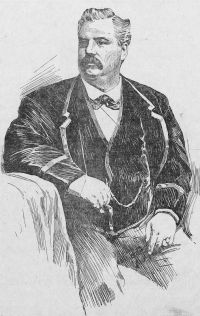
Portrait of William F. Howe William F. Howe,  Danger! A True History of a Great City's Wiles and Temptations

“ Three-number lottery tickets are sold on every drawing, and constitute a very lucrative branch of the business. Prizes are supposed to range from $30,000 down, and any ticket with one draw-number on it entitles the holder to the price originally paid for it. The first three drawn numbers constitute the first prize, and that ticket nobody ever gets."
The most of the money spent in policy is on "gigs" and "combinations." A "gig" is composed of three numbers, and they must all come out of the same lottery to entitle the player to win.
”
Source: Gutenberg

Get perspective with Kwize: daily news enlightened by great literature