Margarine

Definition and stakes

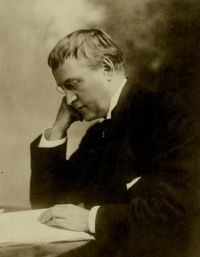
Portrait of Isabella Beeton Isabella Beeton,  Mrs. Beeton's Book of Household Management (1907)

“ In this case lard, dripping, or good margarine may be used with advantage, and there are also several vegetable fats procurable that answer very well for these purposes; but although they are more economical in price, and some of them are richer where flavour is the first consideration, nothing better than pure butter can be used. So-called cooking butter is in too many instances nothing but margarine, but there should be no compunction in buying margarine under its right name, and paying a corresponding low figure for it. ”

Source: Wikisource

Dr. Isabelle A. Moser with Steve Solomon,  How and When to Be Your Own Doctor (August, 2003 [Etext# 4343])

“ First of all, margarine is almost indigestible, chemically very much like shortening--an artificially saturated or hydrogenated vegetable fat. Hydrogenated fats can't be properly broken down by the body's digestive enzymes, adding to the body's toxic load. Margarine, being a chemically-treated vegetable oil with artificial yellow color and artificial flavorings to make it seem like butter, also releases free radicals in the body that accelerate aging. So, to avoid the dangers of eating cholesterol-containing butter, people eat something far worse for them! ”
Source: Gutenberg

Portrait of Isabella Beeton Isabella Beeton,  Mrs. Beeton's Book of Household Management (1907)

“ Margarine is made of oleo-margarine, the oily constituent of the fat of animals, melted, mixed with a certain proportion of milk and of butter, and then churned. Afterwards it is washed and worked like butter, and made up to imitate the kinds most in demand. If carefully prepared and made from pure fats, margarine has a high nutritive value, but is always less digestible than butter, and it is sometimes carelessly prepared and insufficiently purified. ”
Source: Wikisource

Get perspective with Kwize: daily news enlightened by great literature