Mineral vein

Definition and stakes

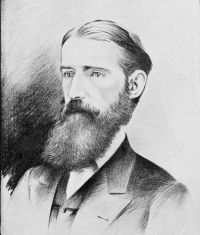
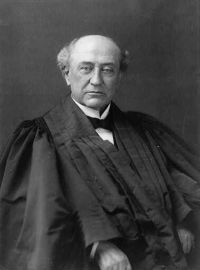
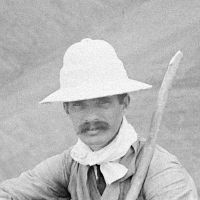
Portrait of John Smith Flett John Smith Flett,  1911 Encyclopædia Britannica (1911)

“ The distinction between mineral veins and other veins is to a large extent artificial. With improvement of methods of mining and extraction deposits formerly unprofitable become payable, and in all cases veins vary considerably in the amount of ore they carry. The rich parts are sometimes called shcots or bonanzas, while the barren portions are often left standing in the mine. Near the ground surface the vein stones become oxidized and the metallic minerals are represented by oxides, carbonates, hydrates, or in the case of gold and silver veins they may be rich in the metals themselves. ”
Source: Wikisource

William O. Crosby,  Common Minerals and Rocks

“ With, possibly, some rare exceptions, all the large and perfect crystals of quartz, feldspar, mica, beryl, apatite, fluorite, and of minerals generally, which we see in mineralogical cabinets, have originated in veins. Those fissures which become the seats of mineral veins are really Nature’s laboratories for the production of rare and beautiful mineral specimens; and hence the vein rocks are the chief resort of the mineralogist, to whom they are of far greater interest than all the eruptive and stratified rocks combined. ”
Source: Gutenberg

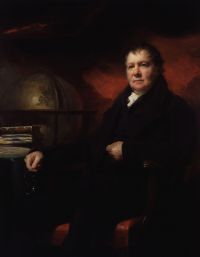
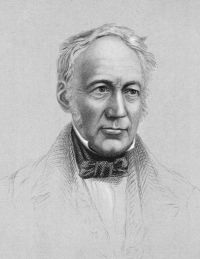
Portrait of Andrew Ure Andrew Ure,  A Dictionary of Arts, Manufactures and Mines

“ Mineral veins are subject to derangements in their course, which are called shifts or faults. Thus, when a transverse vein throws out, or intercepts, a longitudinal one, we must commonly look for the rejected vein on the side of the obtuse angle which the direction of the latter makes with that of the former. When a bed of ore is deranged by a fault, we must observe whether the slip of the strata be upwards or downwards; for in either circumstance, it is only by pursuing the direction of the fault that we can recover the ore ”
Source: Gutenberg

Get perspective with Kwize: daily news enlightened by great literature