“ But when it is a question of monomania (and I think that my intense distrust amounted to monomania) , wise and sensible ideas are the last that ever come into our minds. It was all in vain, then, that I had laughed at those wicked stories that had been constructed from the most ordinary occurrences. Without for a moment reflecting on my inconsequence, I was about to do what was a thousand times worse than forge a slander. I was about to calumniate that sacred thing, grief; to profit by what I had accidentally discovered. ”
Monomania
Definition and stakes
Monomania, a 19th-century psychiatric concept, refers to an obsessive fixation on a single idea or feeling, differing from complete insanity. Derived from the Greek monos ("one") and mania ("madness"), it was considered a partial mental disturbance in which intellectual, emotional, or volitional abilities were affected individually. Authors such as Eugène Sue illustrated its harmful effects in Arthur, where suspicion transforms into a "wicked" fixation, while Bram Stoker associated it with the early phases of madness, highlighting impaired perception.
Max Nordau described it as "partial insanity," highlighting a fixed thought within otherwise clear reasoning. Although its use as a diagnostic term declined by the late 19th century, monomania continues to serve as a framework for examining the vulnerability of human psychology, connecting medical theory with literary portrayals of fixation.
Quotes about “monomania”
“ I dwelt with a sort of cruel enjoyment on all I had so unworthily sacrificed, not to distrust, but to a species of monomania as wicked as it was stupid; to be sure, it had brought terrible suffering on me, but what of that? A crazy man suffers, too; but is the harm he does any the less harmful? What more can I say? The vision of that seductive woman appeared more beautiful, more voluptuous, than ever before. The saddening vulgarity of the saying that we only know the worth of happiness when we have lost it, was the dolorous theme upon which my despair played every sort of variation. ”
William D. Granger, How to Care for the Insane: A Manual for Nurses
“ Monomania.—This is a term belonging to common speech, but there is not an agreement of opinion as to the existence of such a special form of insanity, nor among those who believe in it, as to what it is and what are its symptoms.Monomania really means an insanity with but one, or, at most, a small class of delusions of the same character, the rest of the mind showing no disease. Hardly any one believes in the existence of such a narrow limit to insanity, and, getting beyond this point, there is no agreement where the limit should be set up to mark and bound it. ”




Related terms
Authors who wrote about “monomania”
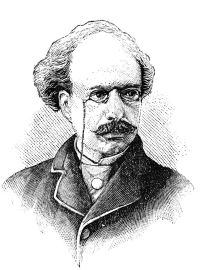
 Edmond François Valentin About
 Bram StokerAustin O'Malley
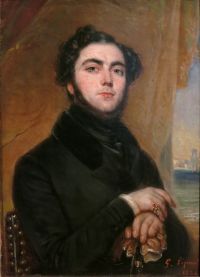 Eugène Sue
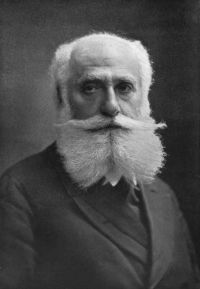 Max Simon NordauVariousThomas Slater
 Friedrich von Schlegel
 William Hale WhiteW. G. Aitchison Robertson
 Wilkie Collins
 Fergus Hume
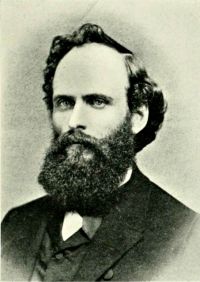 E. P. EvansWilliam D. GrangerWilliam MathewsJohn Proffatt
 Thomson Jay HudsonE. P. W. Packard
 Agnes Repplier
 Honoré de Balzac