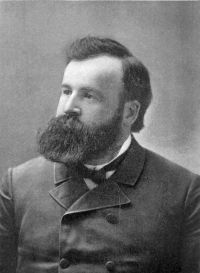
Mugwort, a perennial herb with a long history in folklore, medicine, and ritual, has been revered for its perceived protective and therapeutic properties. From medieval herbals to anthropological studies, authors such as Eleanour Sinclair Rohde and James George Frazer highlight its use as a charm against evil, a cure for women’s ailments, and a symbol integrated into midsummer rites.
While Edward Berdoe and the National Geographic Society note its practical applications in seasoning and pest control, texts like The Golden Bough emphasize its role in magical practices, linking it to fertility and protection from misfortune. These varied perspectives underscore mugwort’s enduring duality as both a medicinal plant and a vessel for cultural symbolism.