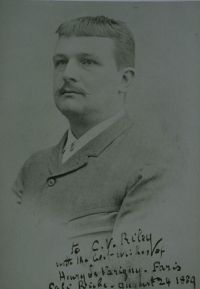
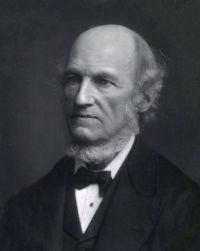
“ The swelling of the feet makes the patient think—sometimes at the suggestion of his physician—of kidney trouble or heart trouble, and sometimes it is hard to persuade him that there is nothing serious the matter with these important organs. The disturbance of the circulation further leads to numbness, to some anesthesia, and to paresthesia. Corns and especially callouses grow more readily between the toes, and patients who are prone to read about such ailments may conclude that they are suffering from hypesthesia {420} and hyperesthesia due to some serious progressive organic nervous disease. ”
Paresthesia
Definition and stakes
Paresthesia, marked by unusual sensory sensations such as tingling or numbness, has been explored by many researchers from medical and neurological perspectives. James J. Walsh connected it to circulatory issues and psychological misinterpretations of symptoms, whereas James Vance May linked it to neuritis and mental illnesses.
William James differentiated between sensory and motor impairments, noting that paresthesia frequently occurs alongside functional neurological symptoms. These diverse viewpoints underscore its intricate relationship with both physical and psychological conditions, illustrating a theme deeply embedded at the crossroads of bodily and mental well-being.
Quotes about “paresthesia”
Louis M. Warfield, Arteriosclerosis and Hypertension…
“ Various paresthesias as numbness, tingling, a sense of coldness or of heat or burning, a sense of stiffness or even actual stiffness or weakness may occur in the arms and legs, more frequently in the legs. ”
James Vance May, Mental diseases: a public health problem
“ The methods of life are completely changed. The patients neglect themselves, lie in bed, etc. The physical signs are those of neuritis. Muscular pains in the limbs appear, with evidences of loss of power. Paraplegias and weakness of the grip are found. Romberg's sign is frequently present. Anesthesias, hyperesthesias or paresthesias are noted. The reflexes are usually decreased, rarely increased. Ataxia and other difficulties of gait are common. The pulse is usually slower as a result of involvement of the vagus. ”