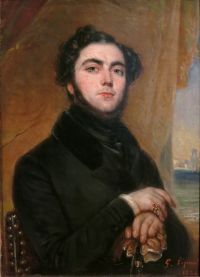
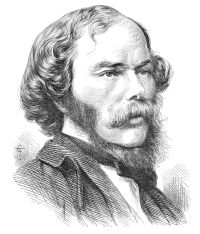
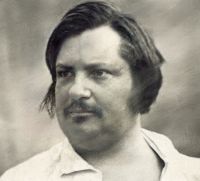
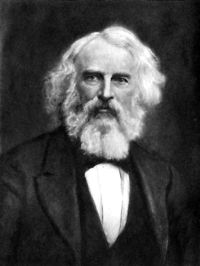
Passion, defined as a strong and intense emotion linked to desires or appetites, has long been a central theme in literary exploration. Authors such as Donald Grant Mitchell portray it as a private, deeply personal force, while John Addington Symonds emphasizes its spontaneous, involuntary manifestations in human relationships. Ralph Waldo Emerson highlights its widespread appeal, connecting it to love's ability to unite strangers through shared feeling.
Lord Kames analyzes its interaction with other emotions, observing how love's tenderness corresponds with compassion, whereas Elinor Glyn contrasts its transient nature with idealism. These diverse viewpoints collectively reveal passion as both an individual flame and a complex social phenomenon, bridging the personal and the universal.
 Donald Grant Mitchell,
Reveries of a Bachelor; or, A Book of the Heart