Pathologist

Definition and stakes

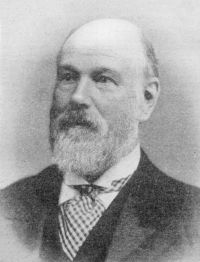
Portrait of Theobald Smith Theobald Smith,  Popular Science Monthly (1904)

“ Much of what is taught to-day in pathology belongs to clinical medicine and surgery, for it is largely special and diagnostic in character. The pathologist is now the servant of the physician and surgeon in completing and rectifying their diagnoses. The pathologist of the future will deal with more general phenomena derived from experimental and comparative data, just as the physiologist has moved onward, or backward if you please, into general and comparative physiology. ”
Source: Wikisource

1911 Encyclopædia Britannica, Volume 20… (1911)

“ The practical bearings of a science, it will be granted, are simply, as it were, the summation of its facts, with the legitimate conclusions from them, the natural application of the data ascertained, and have not necessarily any direct relationship to its pursuit. It is when studied on these hues that pathology finds its proper place as a department of biology. Disease as an entity—as something to which all living matter is subject—is what the pathologist has to recognize and to investigate, and the practical application of the knowledge thus acquired follows as a natural consequence. ”
Source: Wikisource

Oliver Wendell Holmes,  Medical Essays, 1842-1882

“ What is it to him that you can localize and name by some uncouth term the disease which you could not prevent and which you cannot cure? An old woman who knows how to make a poultice and how to put it on, and does it tuto, eito, jucunde, just when and where it is wanted, is better,—a thousand times better in many cases,—than a staring pathologist, who explores and thumps and doubts and guesses, and tells his patient he will be better tomorrow, and so goes home to tumble his books over and make out a diagnosis. ”
Source: Gutenberg

Get perspective with Kwize: daily news enlightened by great literature