Phenomenalism

Definition and stakes

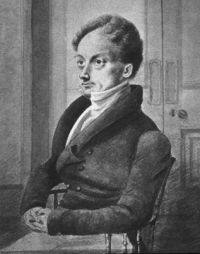
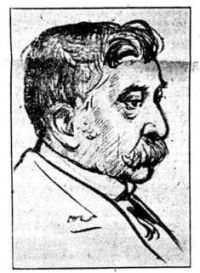
Portrait of Alexander Philip Alexander Philip,  Essays Towards a Theory of Knowledge

“ The problem of Metaphysics—the nature of Reality—still presses for a solution. Agnosticism is but a cautious idealism—a timid phenomenalism. That philosophy, however named, which proclaims that the experience of life is nothing more than a vain show, a pantomime of sensations distinguished only from ideas by their greater intensity and distinctness, is not only a confession of failure. ”
Source: Gutenberg

Portrait of James Frederick Ferrier James Frederick Ferrier,  Blackwood's Magazine (1839)

“ When the phenomena of nature have been observed and classified, the science of nature is ended. But when the phenomena of man, his feelings, intellectual, and other states, have been observed and classified, true psychology has yet to begin:—we have yet to observe our observations of these phenomena,—this fact constituting, in our opinion, the only true and all-comprehensive fact which the science of man has to deal with—and only after it has been taken up and faithfully observed, can philosophy be said to have commenced. ”
Source: Wikisource

Portrait of Georg Wilhelm Friedrich Hegel Georg Wilhelm Friedrich Hegel,  The Phenomenology of Mind — PrefaceOn Scientific Knowledge in General

“ What mind prepares for itself in the course of its phenomenology is the element of true knowledge. In this element the moments of mind are now set out in the form of thought pure and simple, which knows its object to be itself. They no longer involve the opposition between being and knowing; they remain within the undivided simplicity of the knowing function; they are the truth in the form of truth, and their diversity is merely diversity of the content of truth. The process by which they are developed into an organically connected whole is Logic or Speculative Philosophy. ”
Source: Wikisource

Get perspective with Kwize: daily news enlightened by great literature