Photographic plate

Definition and stakes

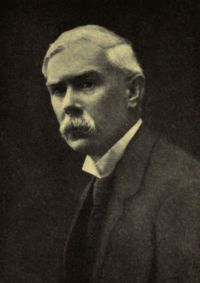
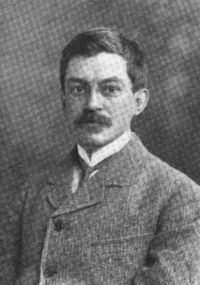
Portrait of John Arthur Thomson John Arthur Thomson,  The Outline of Science — Part I

“ The photographic plate has this advantage over the eye, that it builds up impressions. However long we stare at an object too faint to be seen, we shall never see it. With the photographic plate, however, faint impressions go on accumulating. As hour after hour passes, the star which was too faint to make a perceptible impression on the plate goes on affecting it until finally it makes an impression which can be made visible. In this way the photographic plate reveals to us phenomena in the heavens which cannot be seen even through the most powerful telescopes. ”
Source: Wikisource

Various,  Popular Science Monthly (1902)

“ Again the photographic plate is more sensitive and more efficient than the retina, for not only is the human eye easily fatigued, but it is quite unable to regard slight differences of illumination, or to differentiate the most minute characteristics of specimens. While it is a fact that the plate is most sensitive to light of a certain color and intensity, it is also true that the requirements can be readily obtained, and that the silver salt is able to indicate the action of light that fails to stimulate the sense of vision. ”
Source: Wikisource

Get perspective with Kwize: daily news enlightened by great literature