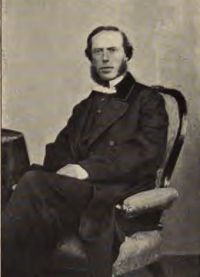
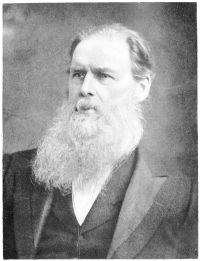
Premonition, the forewarning of future events, has long captivated literary and psychological inquiry. Maurice Maeterlinck frames it as a gateway to humanity’s gravest mysteries, while Robert Cleland depicts it as an eerie tremor preceding disaster. James J.
Walsh explores its psychological impact, noting how visions of death can distort perception, and John Gregorson Campbell links it to superstition’s dependence on natural signs. From poetic reflection to clinical analysis, these works reveal premonition as a liminal space where intuition, fear, and the unknown intersect, shaping narratives of destiny and human vulnerability.
 Maurice Maeterlinck,
The Unknown Guest
Maurice Maeterlinck,
The Unknown Guest