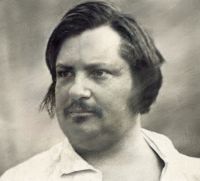
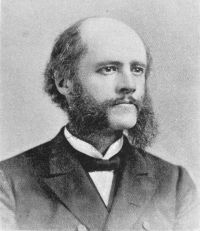
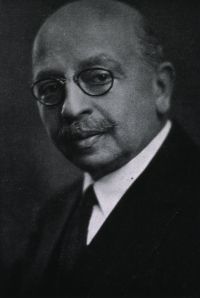
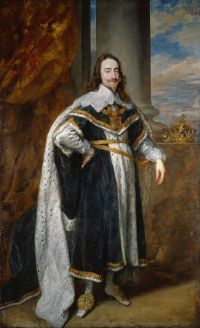
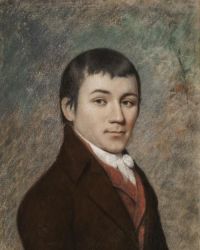
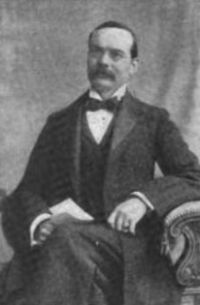
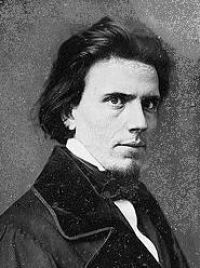
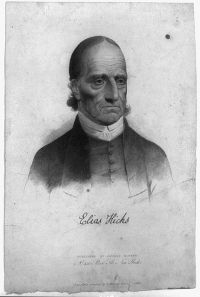
Presentiment, defined as a feeling or guess rooted in intuition, has long fascinated writers as a liminal force bridging the known and the unknown. From Théophile Gautier’s reverence for its “spark of Heaven’s intelligence” to H. Rider Haggard’s conflicted disbelief in its power, authors have wrestled with its enigmatic role.
Charlotte Brontë framed it as a “mystery to which humanity has not yet found the key,” while Alfred Tennyson connected it to “spiritual presentiments” that reflect future events. These varied perspectives highlight presentiment’s dual nature: both a personal intuition and a narrative tool that lingers in the tension between fate and free will.
 Théophile Gautier,
The Cross of Berny; Or, Irene's Lovers
Théophile Gautier,
The Cross of Berny; Or, Irene's Lovers