Psalm singing

Definition and stakes

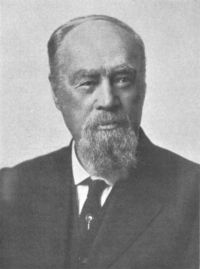
Portrait of Philip Schaff Philip Schaff,  Nicene and Post-Nicene Fathers… (1885)

“ A psalm is souls’ calm, herald of peace, hushing the swell and agitation of thoughts. It soothes the passions of the soul; it brings her license under law. A psalm is welder of friendship, atonement of adversaries, reconciliation of haters. Who can regard a man as his enemy, when they have lifted up one voice to God together? So Psalmody gives us the best of all boons, love. Psalmody has bethought her of concerted singing as a mighty bond of union, and links the people together in a symphony of one song. A psalm puts fiends to flight, and brings the aid of angels to our side ”
Source: Wikisource

Edward Dickinson,  Music in the History of the Western Church

“ Social hymn singing, unlike liturgic choir music, is entirely independent of contemporary art movements. It flourishes only in periods of popular religious awakening, and declines when religious enthusiasm ebbs, no matter what may be going on in professional musical circles. Psalm singing in the English Reformation period, whatever its aesthetic shortcomings, was a powerful promoter of zeal in moments of triumph, and an unfailing source of consolation in adversity. ”
Source: Gutenberg

Ernest Edwin Ryden,  The Story of Our Hymns

“ It was slow, uniform and measured, without rhythm and beat, and thus it approached the old recitative method of psalm singing. While it is true that it raised the church music to a higher, nobler and more dignified level, its fatal defect lay in the fact that it could be rendered worthily only by trained choirs and singers. Congregational singing soon became a thing of the past. The common people thenceforth became silent and passive worshipers, and the congregational hymn was superseded by a clerical liturgy. ”
Source: Gutenberg

Get perspective with Kwize: daily news enlightened by great literature