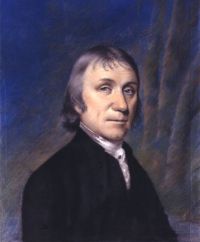
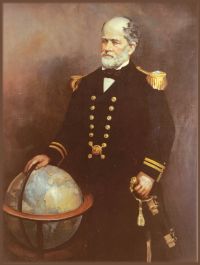
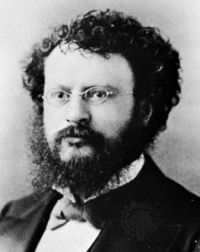
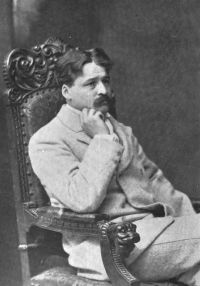
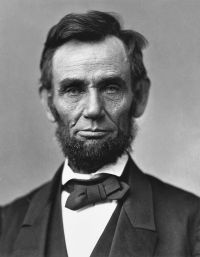
A public good, defined as a non-excludable and non-rivalrous resource, is typically provided by governments to benefit all. This concept has been explored by thinkers like Oliver Prescott Hiller, who emphasized individual actions in advancing collective welfare, and Joseph Priestley, who connected virtue to societal well-being.
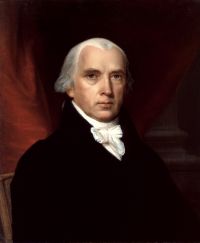
James Madison highlighted the tension between the common good and private rights, while William Blackstone underscored the role of civic spirit in governance. These perspectives collectively reveal how the theme bridges personal responsibility and collective action, illustrating the enduring challenge of aligning individual interests with communal needs through institutional and ethical frameworks.