Race (biology)

Definition and stakes

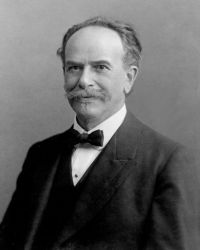
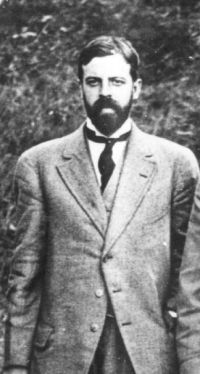
Portrait of W. E. B. Du Bois W. E. B. Du Bois,  The Conservation of Races

“ What is the real meaning of Race; what has, in the past, been the law of race development, and what lessons has the past history of race development to teach the rising Negro people?
[Pg 6] When we thus come to inquire into the essential difference of races we find it hard to come at once to any definite conclusion. Many criteria of race differences have in the past been proposed, as color, hair, cranial measurements and language. And manifestly, in each of these respects, human beings differ widely.
”
Source: Gutenberg

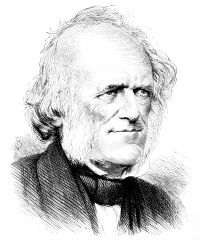
Merton Leland Miller and Lester Frank Ward,  The American Journal of Sociology (1896)

“ Is man a single zoological species, divided into races, that is, varieties, or is he a genus divided into species? From a study of race crossing, from anatomical resemblances, from psychic unity and on physiological grounds, the author concludes that man is one species, and that his subdivisions are only varieties. The first part closes with a review of the criteria physical and mental, used in determining race. Of the physical the most valuable are the shape of the skull, the facial and nasal indices and the hair. There is today no pure race. ”
Source: Wikisource

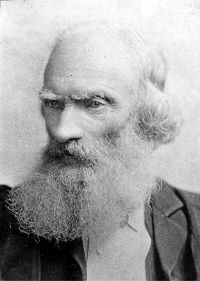
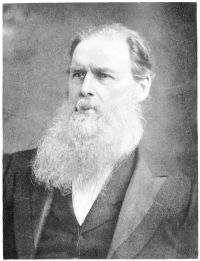
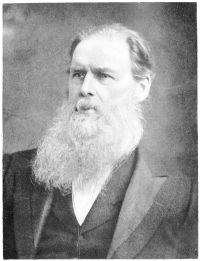
Portrait of Edward B. Tylor Edward B. Tylor,  Anthropology (1881)

“ Yet, while acknowledging the reality of such varieties in the build of men of different race, we have again to remark how slight they are compared with the variation in the limbs of different breeds of lower animals.
In comparing races, one of the first questions that occurs is whether people who differ so much intellectually as savage tribes and civilized nations, show any corresponding difference in their brain.
”
Source: Gutenberg

Get perspective with Kwize: daily news enlightened by great literature