Rate (tax)

Definition and stakes

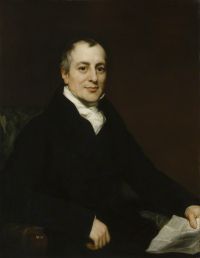
Portrait of David Ricardo David Ricardo,  On The Principles of Political Economy…

“ The poor rate is a tax which partakes of the nature of all these taxes, and under different circumstances falls on the consumer of raw produce and goods, on the profits of stock, and on the rent of land. It is a tax which falls with peculiar weight on the profits of the farmer, and therefore may be considered as affecting the price of raw produce. According to the degree in which it bears on manufacturing and agricultural profits equally, it will be a general tax on the profits of stock, and will occasion no alteration in the price of raw produce and manufactures. ”
Source: Gutenberg

Various,  Popular Science Monthly (1898)

“ If, however, we asssumefive per cent as about the present annual average profit on money, land, or other property in the United States, over and above all charges and taxes, then an exemption of $4,000, the rate fixed upon in the income-tax act of 1884, would represent an accumulation, or business, or profession, of the value of $80,000. If we take the rate at which the United States can borrow money—namely, three per cent—then an exemption of $4,000 would represent an accumulation of a citizen, invested in United States securities, of $133,333+. ”
Source: Wikisource

Various,  Popular Science Monthly (1899)

“ It has been already stated that the poor rate constituted the basis of valuation of property for local rates. In its development the system has become more complicated. Two valuations of the same property may be made for raising imperial taxes—namely, one for the income tax, and one for the land tax. Three valuations of the same property may be made for raising local rates—namely, one for the poor rate, one for the county rate, and one for the borough rate. ”
Source: Wikisource

Get perspective with Kwize: daily news enlightened by great literature