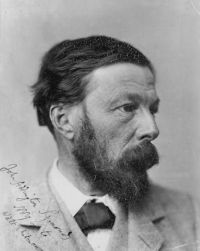
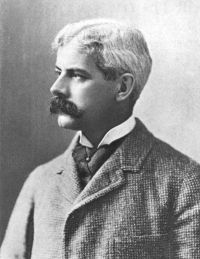
 John Charles Van Dyke,
A Text-Book of the History of Painting
John Charles Van Dyke,
A Text-Book of the History of Painting
“ Art had grown to be something else than a teacher of the Bible. In the painter's hands it had come to mean beauty for its own sake—a picture beautiful for its form and color, regardless of its theme. This was the teaching of antique art, and the study of nature but increased the belief. A new love had arisen in the outer and visible world, and when the Church called for altar-pieces the painters painted their new love, christened it with a religious title, and handed it forth in the name of the old. Thus art began to free itself from Church domination and to live as an independent beauty. ”