River basin

Definition and stakes

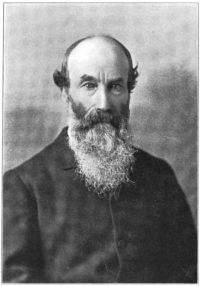
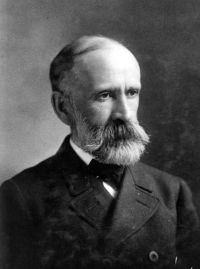
Portrait of Charles Dudley Warner Charles Dudley Warner,  My Winter on the Nile

“ What we see immediately before us is a basin, it may be a quarter of a mile, it may be half a mile broad, and two miles long; a wild expanse of broken granite rocks and boulders strewn hap-hazard, some of them showing the red of the syenite and others black and polished and shining in the sun; a field of rocks, none of them high, of fantastic shapes; and through this field the river breaks in a hundred twisting passages and chutes, all apparently small, but the water in them is foaming and leaping and flashing white; and the air begins to be pervaded by the multitudinous roar of rapids. ”
Source: Gutenberg

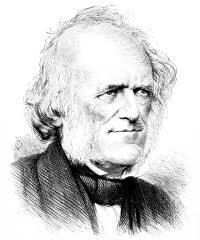
Portrait of Ellen Churchill Semple Ellen Churchill Semple,  Influences of Geographic Environment

“ A river that spreads out into the indeterminate earthform of a marsh is an effective barrier; but one that gathers waters into a natural basin and forms a lake retains the uniting power of a navigable stream and also, by the extension of its area and elimination of its current, approaches the nature of an enclosed sea. Mountain rivers, characterized by small volume and turbulent flow, first become navigable when they check their impetuosity and gather their store of water in some lake basin. ”
Source: Gutenberg

Portrait of Ellen Churchill Semple Ellen Churchill Semple,  Influences of Geographic Environment

“ Where sea and river meet, Nature draws no sharp dividing line. Here the indeterminate boundary zone is conspicuous. The fresh water stream merges into brackish estuary, estuary into saltier inlet and inlet into briny ocean. Closely confined sea basins like the Black and Baltic, located in cool regions of slight evaporation and fed from a large catchment basin, approach in their reduced salinity the fresh water lakes and coastal lagoons in which rivers stretch out to rest on their way to the ocean. ”
Source: Gutenberg

Get perspective with Kwize: daily news enlightened by great literature