Salt trade

Definition and stakes

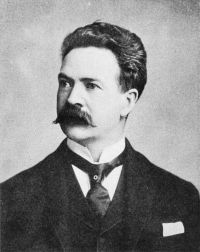
Portrait of Albert Frederick Calvert Albert Frederick Calvert,  Salt and the salt industry (1919)

“ There is romance in every industry, and a modicum of it enters into the development of the Cheshire salt trade; but for the most part the story is a chronicle of bitter struggles to maintain a monopoly, of money thrown away, of produce sold at ruinous loss, of obsolete methods stubbornly persisted with, and of hardship and injustice callously inflicted—in a word, of the sordid determination of the salt magnates to crush competition and control prices. ”
Source: Gutenberg

Portrait of Albert Frederick Calvert Albert Frederick Calvert,  Salt and the salt industry (1919)

“ The opposition of the salt trade to the introduction of new methods of manufacture is explained by the fact that the profits accruing from the old, clumsy, crude, and wasteful process were so large that the proprietors could see no possible reason for welcoming innovations. Moreover, the manufacture under established conditions was in the hands of a comparatively small number of makers, who could not adopt new measures without letting in more men, and the long tenure of their monopoly made the salt-men intolerant of a competitive system. ”
Source: Gutenberg

Portrait of Albert Frederick Calvert Albert Frederick Calvert,  Salt and the salt industry (1919)

“ The opponents of the Bill declared that a compensation tax upon the salt trade would severely injure the industry and act as a restraint upon trade; they put forward expert witnesses to contend that if the brine—which they contended was produced by rainfall percolating through the superincumbent strata and reaching the salt—was not pumped out, it would run away to the sea, and the consequent subsidence of land and injury to property would not be arrested. ”
Source: Gutenberg

Get perspective with Kwize: daily news enlightened by great literature